

How to Handle Missing or Incorrect Tax Documents
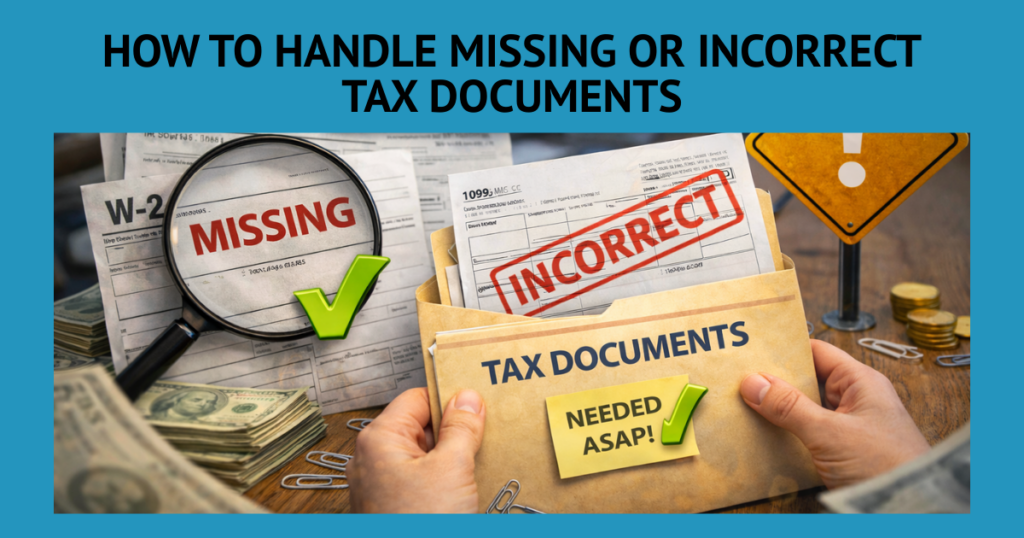
Missing or Incorrect Documents — In a Nutshell Common Document Issues Taxpayers frequently encounter: These issues are especially common for businesses and contractors. Why This Matters When a filed return does not match IRS records: Estimates without documentation increase risk. Proper Handling Approach Best practices include: The Bottom Line Accurate tax reporting depends on complete […]
Common Documentation Gaps That Delay Tax Returns
Documentation in a Nutshell Every tax return must be supported by records that substantiate income, expenses, deductions, and asset activity. When documentation is incomplete, preparation slows and the risk of error increases. Why Documentation Is Critical Proper documentation: The IRS and state agencies do not accept intent—they require evidence. Most Common Documentation Gaps 1. Missing […]
Preparing for Tax Filing When Your Records Aren’t Perfect
Tax Readiness in a Nutshell Many business owners enter tax season knowing their records are “not perfect.” While perfection is not the standard, accuracy, substantiation, and consistency are. Filing based on incomplete or unclear information can lead to misstatements, amended returns, penalties, or unnecessary follow-up with taxing authorities. Why Imperfect Records Matter for Compliance Incomplete […]
Post–Year-End Cleanup: Financial Tasks You Should Not Skip

Once the year ends, many business owners want to move on quickly. However, skipping post–year-end cleanup can create problems months later. A short cleanup now prevents long-term headaches. Why Post–Year-End Cleanup Matters Proper cleanup: Essential Cleanup Tasks 1. Reconcile All Accounts Ensure bank accounts, credit cards, and loans are fully reconciled. 2. Review Uncategorized Transactions […]
Starting the Year Organized: Financial Systems That Prevent Problems
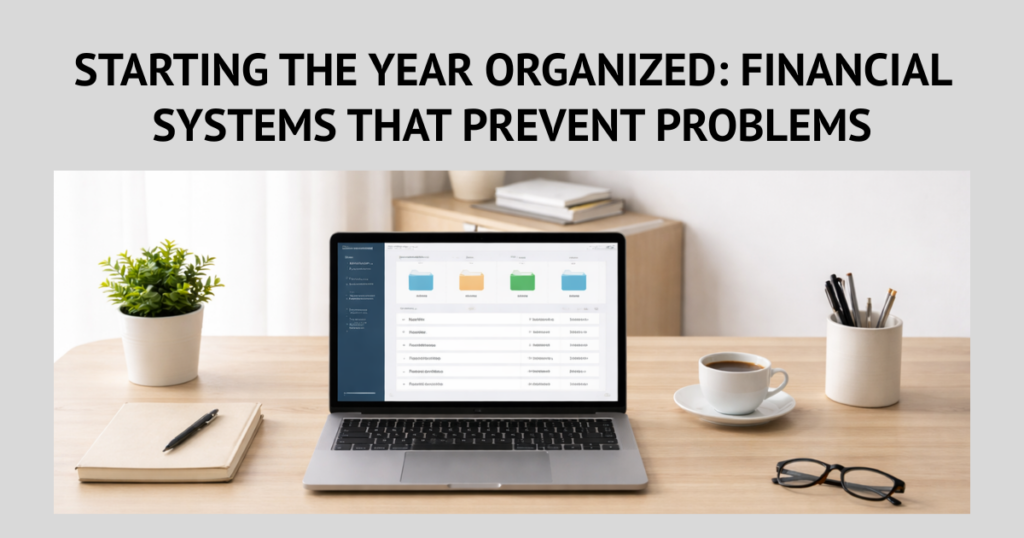
Disorganization is one of the most common causes of financial stress for business owners. The good news? Most problems can be avoided with the right financial systems in place. January is the ideal time to strengthen those systems. Why Financial Systems Matter Strong systems help you: Without systems, even profitable businesses can struggle. Key Financial […]
Financial Checkpoints Every Business Owner Should Review in January

January is more than the start of a new calendar year—it’s a critical checkpoint for business owners. Reviewing key financial areas early helps prevent surprises, supports better decisions, and sets the tone for a more controlled year ahead. Many financial issues don’t happen suddenly. They build quietly when reviews are delayed. Why January Financial Reviews […]
Conducting a Comprehensive Year-End Financial Review: A Guide for Small Business Owners

A thorough year-end financial review is essential for assessing your business’s performance and planning for the future. Analyze revenue, expenses, cash flow, debt, and tax obligations to identify areas for growth and improvement. Reviewing key performance indicators (KPIs) and setting financial goals will help you start the new year on solid ground.
Need expert assistance with your year-end financial review? Contact us today to ensure your business is positioned for success!
Developing an Effective Budget for the New Year: A Step-by-Step Guide for Small Business Owners

Start the new year with a strong financial foundation by creating a well-structured budget. Assess your past financial performance, set clear business goals, and accurately estimate revenue and expenses. Allocate funds strategically, prepare for unexpected costs, and monitor your budget regularly to stay on track.
Need expert guidance on financial planning? Contact us today to ensure your business is set up for success in the new year!
Improving Cash Flow During the Holiday Season: Practical Tips for Small Business Owners

The holiday season can bring both opportunities and challenges for small businesses. To maintain strong cash flow, forecast seasonal trends, speed up receivables with early payment incentives, and manage expenses wisely. Optimize inventory, explore financing options if needed, and maximize revenue through strategic promotions.
Regular cash flow monitoring and post-holiday planning are key to long-term stability. Want expert guidance on managing holiday finances? Contact us today for personalized financial strategies!
Year-End Bonuses: Best Practices for Small Businesses

Year-end bonuses are a powerful way to reward employees, boost morale, and increase retention. To maximize their impact, businesses should align bonuses with financial performance, choose the right structure (flat, performance-based, or profit-sharing), and consider tax implications.
Clear communication about bonus criteria and timing is essential. If cash bonuses aren’t feasible, alternative rewards like extra time off or professional development can still show appreciation. Planning ahead ensures bonuses remain a sustainable part of your business strategy.