

Understanding IRS Processing Delays and Refund Timing

IRS Processing Delays — In a Nutshell Why Processing Delays Occur Delays commonly result from: Some returns process automatically; others do not. What Affects Refund Timing Refund timing depends on: Published timelines are estimates—not guarantees. What Doesn’t Speed Things Up These often create more confusion, not faster results. The Bottom Line IRS delays are common […]
What Happens After Your Return Is Filed — and What to Watch For

What Happens After Filing — In a Nutshell What the IRS Does After Filing After a return is filed, the IRS: This process may take weeks or longer during filing season. Common Post-Filing Outcomes Taxpayers may experience: Not all notices mean errors—but all should be reviewed carefully. What to Watch For After filing, monitor: Ignoring […]
Filing on Time vs. Filing Accurately: What Matters Most?

Filing on Time vs. Filing Accurately — In a Nutshell Both matter, but they serve different compliance purposes. Why This Distinction Matters As filing deadlines approach, many taxpayers prioritize speed. While timeliness is important, accuracy is what protects you after the return is filed. A timely but inaccurate return can result in: What Filing on […]
Understanding Withholding vs. Estimated Taxes
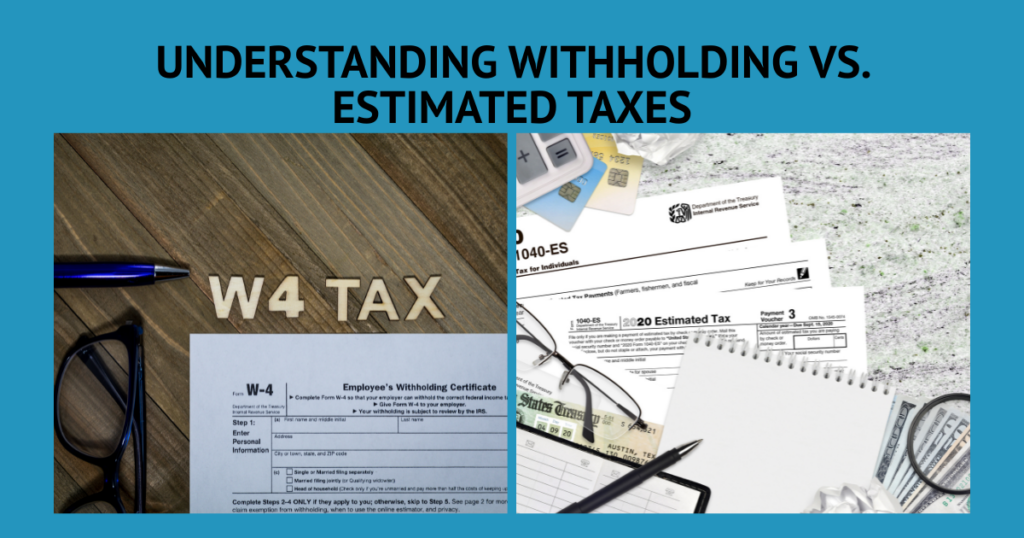
Tax Payments in a Nutshell What Is Withholding? Withholding is tax collected from wages or certain payments before funds are received. It is common for: Withholding is automatic and continuous. What Are Estimated Taxes? Estimated taxes are quarterly payments made by: These payments cover: Why the Distinction Matters The IRS requires taxes to be paid […]
What You Need to Know About Registering a Non-Profit Organization

Registering a non-profit organization is essential for gaining tax-exempt status, establishing credibility, and maximizing your impact. From filing Articles of Incorporation to applying for 501(c)(3) status, this process ensures your organization can operate legally and attract grants and donations.
Cost Segregation Strategies: A Guide for Real Estate Investors

Unlock powerful tax savings with strategic cost segregation! By identifying and depreciating specific property components over shorter timeframes, real estate investors can accelerate deductions and maximize financial benefits. This guide explores essential strategies, including leveraging bonus depreciation, conducting professional studies, and retroactive applications. Whether planning acquisitions or enhancing estate planning, cost segregation offers a pathway to substantial tax advantages.
Understanding BOI Reports in 2024: Compliance with the Corporate Transparency Act

The Corporate Transparency Act introduces new requirements for businesses to file Beneficial Ownership Information (BOI) reports in 2024. Compliance is essential to avoid penalties and maintain transparency with regulatory authorities. This guide explains what BOI reports entail, who must file, and how to ensure compliance.
Understanding the IRS Tax Code (IRC): A Comprehensive Guide for Taxpayers

Navigating the IRS Tax Code can be overwhelming, but understanding its key aspects is crucial for effective tax planning. This comprehensive guide breaks down essential components of the Internal Revenue Code (IRC) to help taxpayers optimize deductions, stay compliant, and make informed financial decisions.
Empower yourself with knowledge about the tax code.
Paying Your Children Through Your S-Corp or LLC: A Strategic Guide

Employing your children in your S-Corp or LLC can provide substantial financial and tax benefits. This strategy allows you to reduce your taxable income while offering your children valuable work experience. By paying your children a reasonable wage for actual work performed, you can shift income to a lower tax bracket and benefit from deductible wages as business expenses. However, it’s crucial to ensure compliance with IRS regulations regarding reasonable compensation and proper documentation. This guide explores the key considerations, benefits, and steps to effectively implement this strategy in your business.
Understanding the Augusta Rule: A Tax-Saving Strategy for Homeowners

The Augusta Rule, named after Augusta, Georgia, offers a unique tax-saving opportunity for homeowners. This provision allows homeowners to rent out their residence for up to 14 days a year without having to report the rental income on their federal tax return. Discover how the Augusta Rule works, its benefits, and how you can take advantage of this tax-saving strategy.